
You may have seen watermarks on AI-generated images to indicate that they were indeed made with AI. Now, even AI-generated text is being watermarked to make it easier for consumers to spot online content and comments that were written by AI.
Anthropic, the company behind Claude, has signed the EU’s Code of Practice on Transparency of AI-Generated Content and explains how text watermarking works.
Text watermarks are machine-readable but should be transparent to humans. “When a supported Claude model generates text, it weaves an imperceptible watermark directly into the text itself. You won’t see it and it doesn’t change the meaning, quality or readability of Claude’s response,” writes the company.
This invisible watermark will survive being copied and pasted around. Interestingly, it will even survive some light editing of the text, so it won’t be so easy to circumvent. It won’t work if the text is too short or if someone spends extra time editing the text, though.
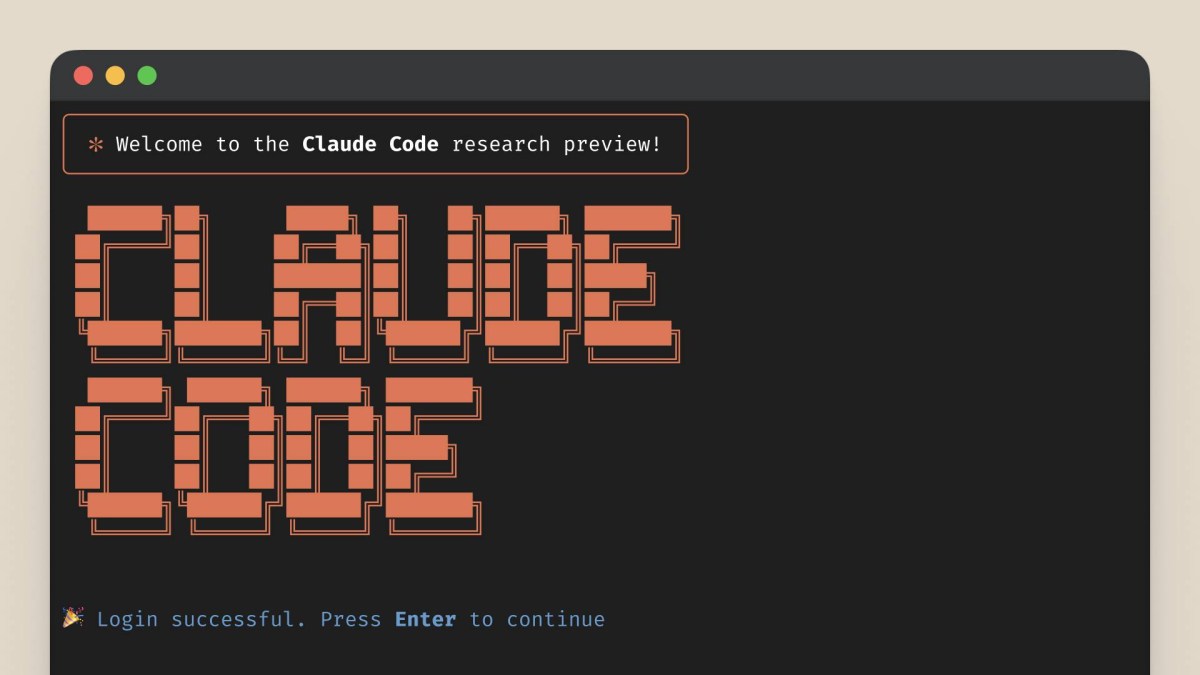
All Claude models launched in the EU on or after August 2 (when the Code came into effect) automatically watermark the text. This is done by the model itself, so it doesn’t matter whether you use the Claude API, Claude Code, Cowork or Tag. It also doesn’t matter which service provider you use either – AWS, Google Cloud and Microsoft Foundry all work the same.
Additionally, Anthropic is working on adding watermarking to older models (from before August 2) and it will roll this out globally, not just in the EU. The company is also developing tools to help people detect these watermarks – these tools will be unveiled soon.
Note that the watermark will be applied to all text coming out of Claude models, even if the AI wasn’t the original author. For example, if you use Claude to translate, summarize, format or proofread text, the result will be watermarked.
That is not part of the Code of Practice, which has a specific exception: “This obligation shall not apply to the extent the AI systems perform an assistive function for standard editing or do not substantially alter the input data provided by the deployer or the semantics thereof.” Anthropic will do it anyway, erring on the side of caution.

We also mentioned AI-generated images – those watermarks that you may have seen are easy enough to delete. Instead, JPG, PNG and SVG images will be signed with provenance metadata based on the open standard designed by the Coalition for Content Provenance and Authenticity (C2PA).
Making it easier for people to detect AI-generated content is great, obviously. But there are benefits for AI companies too – as more and more bots flood the Internet with comments and even whole articles, AI companies might find themselves training new AI models on text written by old AI models. Still, we’ll count this as a win for consumers.