

The latest diplomatic confrontation came hours after loud explosions were heard on Wednesday night in Addis Ababa, close to the headquarters of the intelligence service.
A source linked to the opposition alliance told Reuters news agency that its forces had carried out drone attacks in the capital. Ethiopian authorities have not confirmed what caused the explosions, and there have been no official reports of casualties or significant damage.
Residents in two areas of Addis Ababa separately told the BBC that they heard powerful explosions during the night. One resident near the intelligence headquarters said the blast was loud enough to trigger car alarms.
The explosions came hours after Ethiopia’s National Intelligence and Security Service imposed an indefinite ban on drone flights over Addis Ababa and surrounding areas, citing the need to protect senior officials, important infrastructure and public events.
Meanwhile, fighting continues across northern Ethiopia.
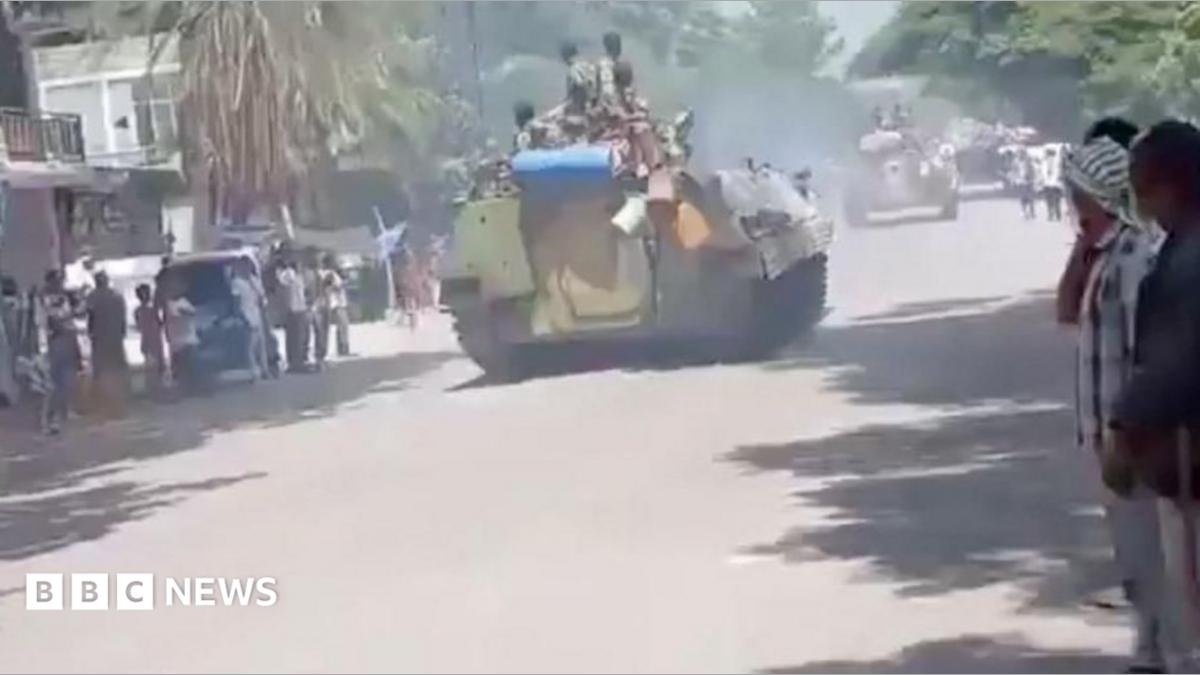
Federal forces and their allies appear to have made gains in southern Tigray and are advancing towards Mekelle, the regional capital. In Alamata, a doctor told the BBC earlier this week that at least 52 civilians had been killed during three days of intense fighting.
The TPLF has also been fighting in neighbouring Afar, which lies along Ethiopia’s crucial transport corridor to Djibouti and the sea. Tens of thousands of people are estimated to have fled their homes there.
Both the Ethiopian government and the TPLF accuse the other of starting the latest hostilities. Tigrayan authorities say their forces were responding to a federal offensive and drone strikes, while Addis Ababa says Tigrayan fighters launched attacks after taking control of federally administered airports in Tigray.
Independent verification remains difficult because journalists have limited access to the conflict areas and communications across much of Tigray have been disrupted.
The African Union has urged Ethiopia, Eritrea and Egypt to exercise restraint and resolve their differences through diplomatic channels, warning against actions that could further destabilise the region.
The UN has also warned that the deteriorating security situation is severely disrupting humanitarian work in northern Ethiopia. UN spokesman Stéphane Dujarric said drone activity and air strikes were putting civilians, vital infrastructure and aid operations at risk, while insecurity and road closures were restricting humanitarian movements.
The UN has called on all sides to guarantee safe and unhindered access to people in need.